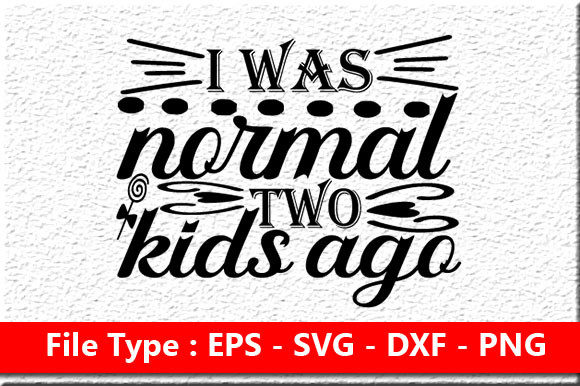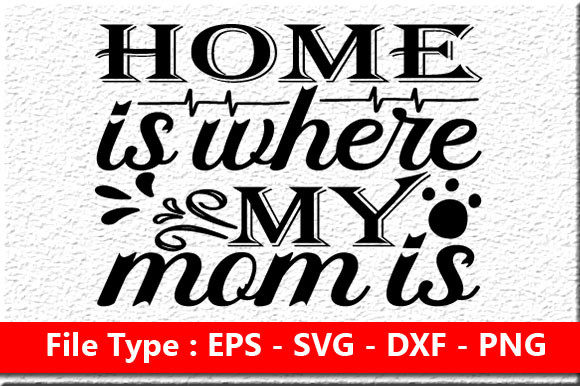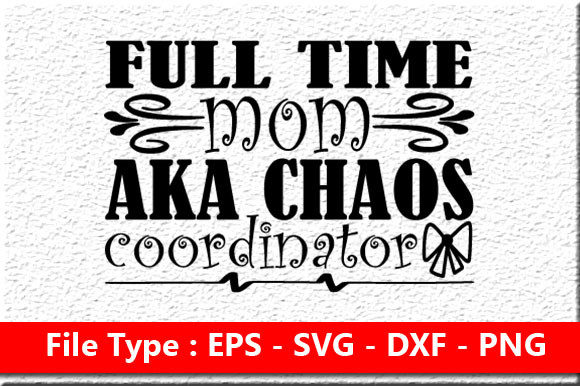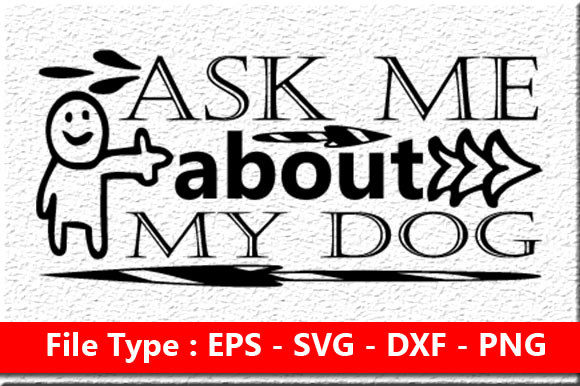
Sweet but Twisted Funny Arabesque SVG
First Impressions: Whimsy with Structural Intelligence
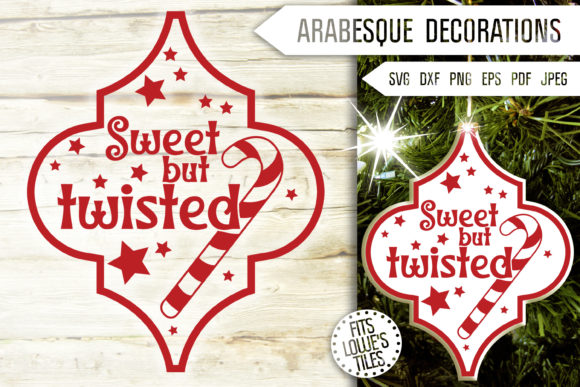
Opening Sweet but Twisted Funny Arabesque SVG feels like unrolling a hand-drawn tile sketch—fluid, confident, and quietly clever. It’s not just “Arabesque”—it’s Arabesque with a wink: looping vines twist into candy cane spirals, geometric flourishes nod to Moorish tilework, and the “funny” lands in subtle asymmetry—not slapstick, but sly visual irony. As a designer who’s stitched hundreds of repeat patterns, I immediately notice how the rhythm balances density and breath. There are no frantic micro-details that’ll vanish under satin stitch, nor are there gaping voids that’ll read as sparse on a sweatshirt front. This is a machine embroidery design built for legibility, not just aesthetics.
A Real Project Test: Embroidering a Holiday Tote Bag for My Local Boutique
Last week, I prepped a limited run of holiday totes for a downtown craft shop—cotton canvas, medium weight, 10” x 12” hoop space. I chose Sweet but Twisted Funny Arabesque SVG for the center panel. Why? Because it bridges tradition and personality—ideal for customers who love heirloom-style decor but reject stuffiness. Stitched at ~4.5” wide, the motif held crisp definition across the fabric’s slight texture. The arabesque curves translated beautifully into smooth satin stitch borders; the inner fill areas used balanced fill stitch density—no puckering, no thread nesting. Most importantly, it *read* from six feet away: elegant enough for a kitchen towel, playful enough for a baby blanket liner.
Where It Shines (and Why Craft Business Owners Should Take Note)
- Custom apparel: Works cleanly on crewneck sweatshirts—especially over the left chest or back yoke. The design’s inherent symmetry anchors uneven fabric drape.
- Embroidered patch potential: Clean outer edges and moderate interior detail make it ideal for sew-on or iron-on patches—no fraying risk in corners.
- Holiday embroidery with longevity: Unlike literal candy cane graphics, this avoids seasonal expiration. It reads “festive” in December but “artisanal” year-round—valuable for Etsy sellers curating evergreen listings.
- Small shop product differentiation: On tea towels or aprons, it signals thoughtful curation—not mass-produced clip art. Customers associate that nuance with higher perceived value and trust.
- Digital embroidery file versatility: As a Graphics asset, it scales cleanly for printable mockups and social previews—critical when selling embroidery files or finished handmade products online.
Careful Use Zones: Respect the Fabric, Not Just the File
Don’t assume Sweet but Twisted Funny Arabesque SVG is universally forgiving. Its charm lies in controlled intricacy—and that demands intentionality.
On thin fabric (like lightweight linen napkins), I added tear-away + cutaway stabilizer combo—fill stitch areas would otherwise shadow through. On stretchy fabric (knit baby onesies), I reduced stitch density slightly in the software and used topping + light cutaway—those tight arabesque curls can distort if tension isn’t dialed in.
For curved surfaces like caps, skip the full motif. Instead, isolate one graceful vine loop or a single ornament cluster—it maintains recognition without distortion. And avoid placing near seam allowances on layered garments; the design’s flow relies on uninterrupted real estate.
Also: those delicate inner corners? They’re lovely on screen—but on dark fabric with light thread, running stitch accents may blur. Always test in black-and-white mockups first. Visual clarity > decorative fidelity.
Practical Embroidery Designer Notes (No Guesswork Allowed)
- Always stitch a test on scrap fabric—same weight, same stabilizer, same thread brand you’ll use for production.
- Review stitch density before hooping. If your machine flags high-density zones, simplify small interior shapes manually—or confirm the file was optimized for commercial embroidery.
- Confirm hoop size compatibility. While the listing says “ready to cut for Lowe’s tiles,” verify actual dimensions match your standard hoops (e.g., 4x4”, 5x7”) before batching orders.
- Inspect small details at 200% zoom in your embroidery software—especially where vines meet ornaments. Are anchor points clean? Is there stray digitizing debris?
- Test thread color contrast on both light and dark fabric swatches. This design thrives on tonal harmony—not just brightness.
- Use proper stabilizer for your substrate: cutaway for knits, tear-away for stable wovens, topping for textured fabrics like terry cloth.
- Check licensing terms before selling finished embroidered items or reselling the digital embroidery file. “Sweet But Twisted” branding suggests possible usage restrictions—verify before scaling your craft business.
Final Thought: A Design That Earns Its Place
Sweet but Twisted Funny Arabesque SVG doesn’t shout. It invites closer looking. That’s rare in today’s oversaturated Crafts landscape—and precisely why it works so well for makers who prioritize authenticity over algorithm bait. It elevates a simple tote bag into a conversation piece. It adds quiet sophistication to a baby onesie without veering into pretension. For Etsy sellers, it’s a standout thumbnail that conveys craftsmanship at a glance. For apparel decorators, it’s a reliable, scalable asset that clients describe as “uniquely them.”
This isn’t just another holiday embroidery file. It’s a considered design choice—one that supports your voice as a maker, strengthens your brand consistency, and deepens buyer engagement because it feels intentional, not incidental. Whether you’re stitching your first custom pillow cover or launching your tenth Etsy collection, Sweet but Twisted Funny Arabesque SVG earns its spot in your working library—not as filler, but as foundation.